
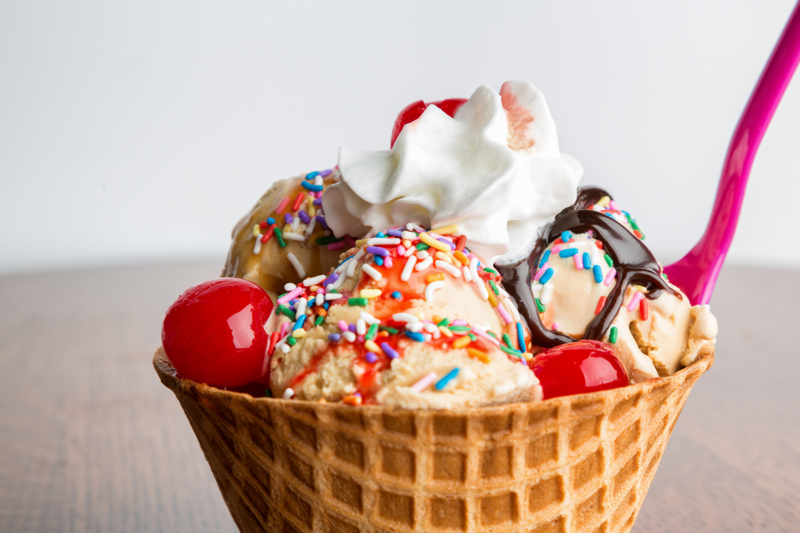
Food is riding high on a throwback wave, with ‘proteinmaxxers’ adopting cottage cheese, and sardine-girl summer – the Mediterranean-influenced lifestyle trend – driving interest in premium tinned fish.
Amid this, food formulators are premiumising retro flavours like pistachio and tiramisu, while using childhood favourites, such as the taste of birthday cake, to help kindle nostalgia among consumers.
As Onome Hyacintha Dibia, Indulgence Commercial Marketing Director at Cargill, points out, food is powerfully nostalgic because it is so closely connected with memory, culture, occasion and routine.
In times of economic pressure and uncertainty, in particular, “food can provide small moments of reassurance, reward and emotional steadiness,” says Dibia.
However, she tells Food Formulator that “what we are seeing now is broader than a simple return to childhood favourites or flavours from the past.
“We see an opportunity around familiar formats that are made to be more rewarding, more permissible, more culturally specific and more emotionally useful.”
Modern twists on classics
Each year, Tastepoint by IFF – the flavours, fragrances and food ingredients manufacturer – predicts the top ten flavours of the coming year.
Its 2026 picks included cherry (think Shirley Temples and old-fashioned cherry pie), cola, pancake and even French onion soup.
Meghan Sutton, Senior Marketing Manager, Tastepoint by IFF, North America, explains that cola’s sweet, caramel base is combined with warm spices, and a hint of citrusy notes or vanilla to bring a sense of togetherness and nostalgia.
As for French onion soup, Sutton says IFF “has seen an uptick in this flavour profile being utilised in snack applications, dips and savory foods, but we also expect it to expand to other menu areas such as sauces, broths, compound butters and new foodservice innovations.
“Overall, we’re seeing classic culinary comforts like bourbon, brown sugar, vanilla, honey, ranch, BBQ, etc, experience a renaissance, but also playful nostalgic tastes like rocket pop, orange creamsicle, banana pudding and cotton candy,” she adds.
The most successful nostalgic products balance familiarity and comfort with a fresh, modern twist, creating an emotional connection that feels both authentic and new
Dibia points to the revival of traditional bouillon in France as an example of consumers seeking foods connected to a real place, recipe, memory or tradition.
Another familiar ingredient that has enjoyed new popularity is pistachio.
“Thirty years ago, many European consumers encountered it principally in ice cream or ate it simply as a nut,” says Dibia.
“Today, influenced in part by the growing visibility of Middle Eastern cuisines, pistachio appears in formats ranging from chocolate and confectionery to pastries, sauces and dips.
“It shows how something deeply recognisable can be reinterpreted to feel distinctive, contemporary and new.”
Texture & taste
Beyond taste, Dibia emphasises the nostalgic importance of texture, because “recognition is not created by flavour alone.”
She explains: “A familiar biscuit, chocolate, bakery product or dessert might gain a sharper crunch, softer centre, slower melt, surprise filling or sequence of contrasting textures. The format remains easy to understand, but the experience becomes more memorable.”
Cargill’s formulation and sensory capabilities become important in confectionery, for example, as “the fat system can influence flavour release, creaminess, mouthfeel, firmness and melt, while helping preserve contrasts such as a crisp wafer alongside a creamy filling.”
Understanding the cultural context
Context is also critical, according to Dibia, because nostalgia is not universal.
“A flavour, dish or eating occasion that evokes strong memories in one generation or market may mean very little in another,” she explains.
Manufacturers, Dibia emphasises, must ask not simply “what is nostalgic?” but “nostalgic to whom, in which market, on what occasion, and which elements of that experience must remain recognisable?”
Sutton acknowledges that today’s nostalgia trend is often associated with the 1990s and early 2000s, but adds: “Nostalgia can span any era and is heavily influenced by age, geography, culture and personal experiences.
“Consumers may connect with childhood treats and throwback lunchbox contents, family traditions, regional favorites, or even time periods they never lived through.
“The most successful nostalgic products balance familiarity and comfort with a fresh, modern twist, creating an emotional connection that feels both authentic and new.”


