
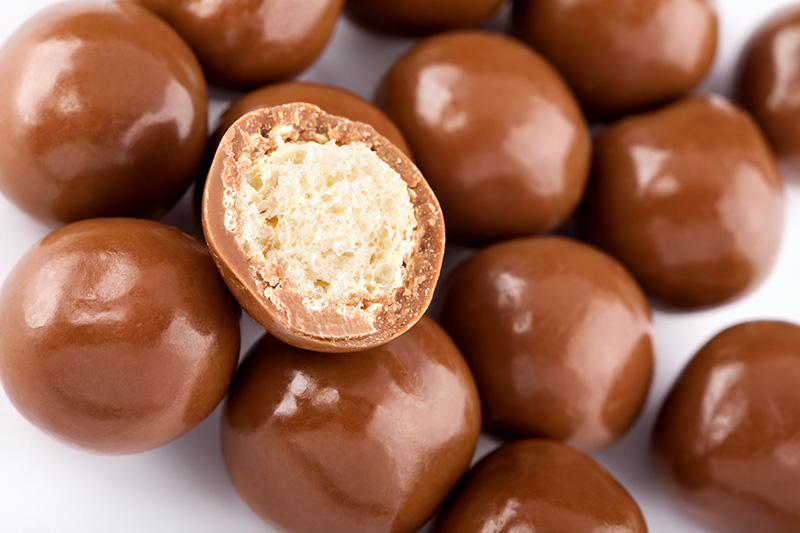
Crespel & Deiters, a refinement expert in plant-based raw materials, is launching two new high-protein crisps: Lory® IsoCrisp Fava Protein, with 50.5g protein per 100g, and Lory® IsoCrisp Wheat Protein, delivering 65.4g protein per 100g. Both allow manufacturers to boost the protein content of their recipes while maintaining a clearly defined, anticipated crunch. Across active nutrition, snacking and confectionery, manufacturers are working to formulate on-trend, functional products that combine a high protein content with genuine sensory appeal.
These two new high-protein crisps meet precisely that brief. Thanks to their extruded, stable texture and consistent particle size, both ingredients deliver a satisfying crunch and are perfect for bites, clusters or layered formats.
Lory® IsoCrisp Fava Protein is made from the fava bean, also known as the faba bean, and delivers 50.5g of protein per 100g. The round crisp, 12mm in diameter, is particularly well suited to chocolate-coated crunchy balls or bite-sized confectionery. Its smooth, round surface allows for a fine, even coating, which is both cost-effective and supports an improved, calorie-reduced nutritional profile in finished products.
Lory® IsoCrisp Wheat Protein promises 65.4g of protein per 100g and has a smaller, 4mm diameter that gives it a fine, homogeneous crunch. As a wheat-based, plant-derived alternative, it complements the existing range of milk- and whey-based crisps, making it particularly appealing for those navigating the rising price of milk protein. Lory® IsoCrisp Wheat Protein lends itself to a wide range of applications, from protein bars and porridge to cereals, muesli and confectionery.
It gives manufacturers a highly flexible tool to adapt their products to market demand quickly and without complication
Both crisps are easily integrated into existing recipes, giving manufacturers a more efficient and flexible route to market, whether they are looking to raise the protein content of a finished product, respond to a hike in milk protein prices or move toward plant-based, soy-free formulations.
Such flexibility addresses growing consumer demand: in a recent survey by Innova Market Insights, around 60 per cent of consumers globally said they are actively looking to increase their protein intake but without compromising on taste or texture¹.
“With the new Lory® IsoCrisp Fava and Wheat Protein crisps, we are expanding our portfolio with solutions that combine plant-based and wheat-based protein sources with real functional value for production,” says Philipp Deiters, CSO Food at Crespel & Deiters. “It gives manufacturers a highly flexible tool to adapt their products to market demand quickly and without complication. And with our broad technical know-how, we support that process all the way through, from concept to market readiness.”
Reference
1. Innova Market Insights: Top Ten Trends 2026


