
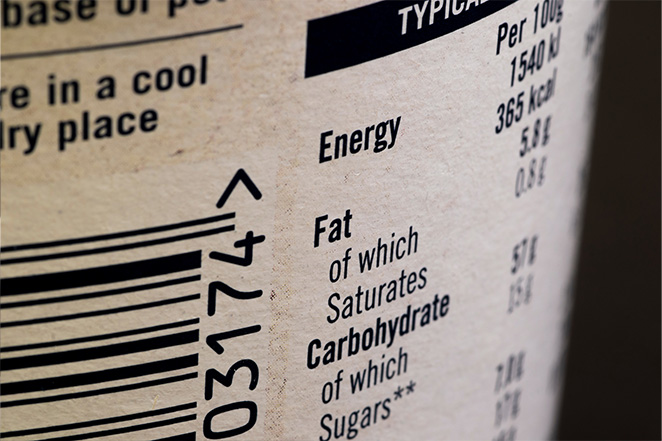
"A lot of what's in your pantry isn't what it was 6 months ago. When costs jump this fast, brands change the recipe first and worry about the nutrition label later. This creates a gap that consumers rarely know about," says Maria Abi Hanna, CEO, Food Label Maker.
The observation comes from an April 2026 review by the company's compliance team, comparing ingredient changes across major food categories against current FDA and USDA labeling requirements.
1. “Safe Foods” May Not be So Safe
Affects: salad dressings, mayonnaise, snack foods, crackers, frozen meals, protein bars, baked goods.
Canada supplies 96% of US canola oil imports. With a 25% tariff on non-USMCA Canadian goods, many formulas have shifted to soybean, palm, or sunflower. Soybean is one of nine FDA-recognized major allergens. For households managing soy allergies, a familiar product is no longer safe.
Expert Advice: If you've reformulated with soybean, palm, or sunflower oil in place of canola, your allergen statement and ingredient list need updating before the next production run. Soy is a major allergen under FALCPA. Shipping a product with an inaccurate allergen declaration is a recall risk, not just a labelling oversight.
2. "Naturally Sweetened" Isn't Always True
Affects: sodas, energy drinks, cereals, sauces, condiments, protein supplements, flavoured yoghurts.
Mexican cane sugar faces 25% tariffs and Chinese speciality syrups up to 35%. Because of this, brands are switching to cheaper alternatives, meaning "no artificial sweeteners" and "naturally sweetened" may no longer match packaging claims.
Expert Advice: If your sweetener source has changed, audit every front-of-pack claim that references it. A claim that no longer matches your ingredient list is an FTC and FDA compliance exposure. Update the label before the product ships, not after a retailer or regulator flags it.
3. “Original Flavour” Is Not Original Anymore
Affects: ready meals, marinades, instant noodles, chips and snack seasonings, sauces, and fast food.
China supplies most of the US garlic, ginger, chilli, soy sauce and MSG behind familiar flavors, now hit with 35% combined tariffs. Brands are sourcing from elsewhere, so the "original flavour" in your instant noodles or sauce often isn't coming from the original source.
Expert Advice: Switching spice or sauce suppliers doesn't just change the flavor profile. It can change country-of-origin declarations, allergen status, and supplier documentation requirements. If you've re-sourced ingredients in your seasoning or sauce line, make sure your spec sheets, COAs and labels all reflect the new supply chain.


