
Around a third of the food we produce is never eaten, much of it before it even reaches consumers. Now, longer and more intense periods of hot weather are putting even greater pressure on the UK's food supply chain.
In the past week, the Cold Chain Federation has called for temperature-controlled warehouses to be designated as Critical National Infrastructure, while a new Greenpeace UK poll found one in five Britons have thrown out food spoiled by recent heat.
Cambridge startup Klura Labs, backed by Leon co-founder and food waste campaigner Henry Dimbleby, believes smarter packaging could play an important role in tackling the problem.
Founded by physicist Dr Reza Saberi Moghaddam and biomedical engineer Dr Matin Mohseni, who was recognised in Forbes' Manufacturing & Industry 30 Under 30, Klura has developed an antimicrobial packaging technology that extends the shelf life of fresh produce by slowly releasing tiny amounts of a food-safe preservative from the packaging itself, helping protect produce from farm to fridge without changing the food.
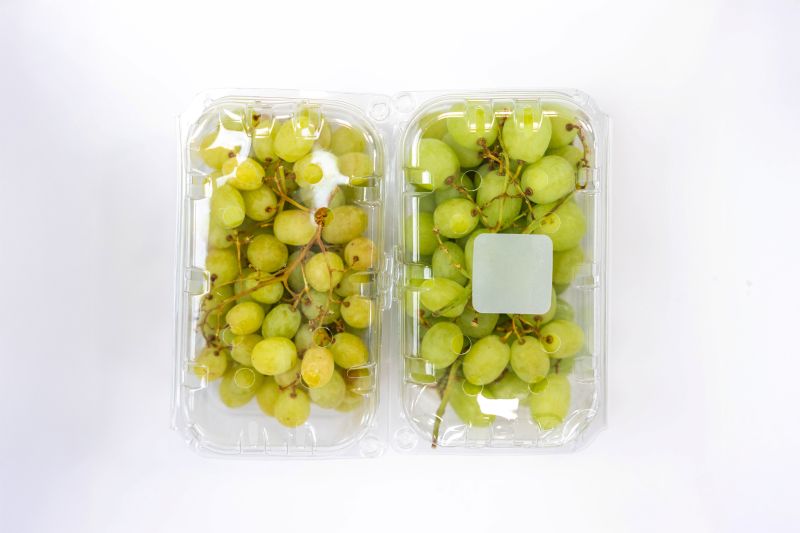
The results have been striking. In a recent retail trial on table grapes, 60 punnets using standard packaging had to be discarded after ten days, compared with just seven using Klura's technology – an 88% reduction in waste.
The company has also tested the technology on grapes shipped from South Africa to the UK. After three weeks travelling through the supply chain, fruit protected by Klura retained greener stems, firmer berries and better overall quality than grapes transported using standard packaging, suggesting a single packaging solution could help maintain freshness throughout transport, storage and retail.


